
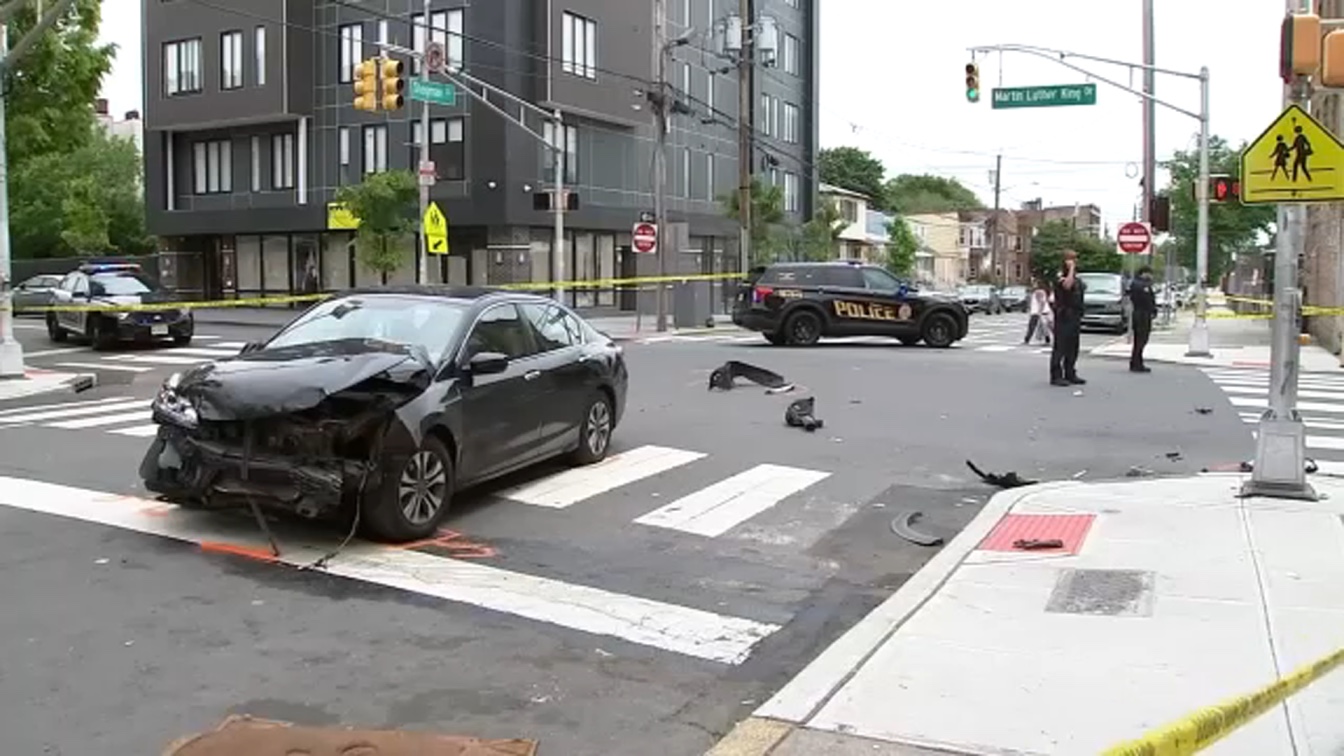
After a car accident in New Jersey, most people aren’t thinking about legal strategy. They’re thinking about pain, confusion, missed work, and how quickly life can feel out of control. That’s usually when the insurance company steps in—fast, confident, and ready to “wrap things up.”
At first, that speed can feel like relief. Someone is calling. Someone is offering help. Someone is talking about money when bills are already piling up. But what many accident victims don’t realize is that insurance companies move quickly for a reason—and that reason is rarely the injured person’s long-term well-being.
Across New Jersey, including places like Bayonne and surrounding Hudson County communities, the same pattern plays out again and again.
Why the Insurance Company Is Always in a Hurry
Insurance companies are not neutral problem-solvers. They are businesses designed to manage risk and control payouts. The days immediately following an accident are when that control is easiest.
At that stage:
- Injuries may not be fully diagnosed
- Medical treatment is just beginning
- Victims are under financial and emotional stress
- The long-term impact of the accident is still unclear
Early settlement offers are built around this uncertainty. They are calculated using limited information and designed to close the claim before the full picture becomes clear. Once accepted, those offers usually end the case permanently—no matter how serious the injuries turn out to be later.
What Quick Settlements Often Leave Behind
Most early settlements focus only on what’s visible right away: emergency room visits, initial testing, or a short absence from work. What they often ignore is what unfolds over time.
Many accident victims later deal with:
- Ongoing physical therapy
- Pain that interferes with daily life
- Delayed diagnoses involving the neck, back, or soft tissue
- Reduced ability to work or earn at the same level
This is where people often realize too late that the “easy” decision came with long-term consequences.
Why Early Conversations Matter More Than You Think
Insurance adjusters are trained to sound calm and cooperative. Early conversations may feel informal, even supportive. But statements made during those first calls—often while someone is still in pain or on medication—can later be used to question the severity of injuries or shift responsibility.
That’s why many injured people eventually seek guidance from professionals who regularly handle these situations, such as a Car accident lawyer Jersey City residents often turn to for experience navigating complex New Jersey insurance claims. Not because of the city name, but because that experience translates across county lines.
When communication is handled carefully from the beginning, claims tend to develop based on medical facts rather than rushed assumptions.
Time Has a Way of Changing the Balance
Immediately after a crash, insurance companies hold most of the leverage. As time passes, that balance shifts.
Medical records grow. Treatment plans become clearer. The long-term effects of injuries are easier to document. With that information, negotiations are no longer driven by urgency but by evidence.
This is often the point where people realize that slowing down didn’t weaken their position—it strengthened it.
Why This Matters for Bayonne Residents
Accidents affecting Bayonne residents frequently involve heavy traffic, commercial vehicles, or layered insurance coverage. These factors increase the risk of rushed, undervalued settlements.
The tactics insurers use don’t change from city to city. What matters is recognizing when speed benefits the insurance company more than the injured person—and responding accordingly.
A Final Thought
Insurance companies handle accident claims every day. Most injured people do not. That difference alone shapes how quickly—and how cheaply—claims are pushed toward resolution.
Choosing not to rush isn’t about creating conflict. It’s about allowing injuries to be understood, losses to be measured accurately, and decisions to be made with clarity instead of pressure.
In a system that rewards speed, patience is often the most protective move an accident victim can make.